|
More than 25 faith community leaders and socially responsible investment firms joined together in a letter to oil and gas lobby groups calling on them to drop their opposition to the U.S. Bureau of Land Management's natural gas waste rule, and join our communities in supporting it.
The letter released today was sent to the Western Energy Alliance, the Consumer Energy Alliance, the Colorado Oil & Gas Association, the New Mexico Oil & Gas Association, the New Mexico Association of Commerce and Industry, the Colorado Petroleum Council, and the La Plata Energy Council. We are releasing the letter on the heels of a NASA report on methane pollution and the Western Energy Alliance conference, for which we prayed. We have a moral responsibility to cut methane emissions and reduce natural gas waste from oil and gas operations on our public lands. Methane is the primary component of natural gas. We believe all energy sources to be gifts from God, and it is up to us to steward them wisely: As the old adage goes: waste not, want not. When natural gas is wasted, it means lost revenues that could go to the common good – to our schools and communities. Also, that lost energy that could be heating homes for low-income families. Along with methane, oil and gas operations emit toxics such as benzene, which threaten the health of people living closest to the drilling operations. These drilling sites also emit ozone-forming pollutants that can trigger asthma attacks and worsen emphysema. Communities most at-risk for the effects of ozone pollution are the most vulnerable: children, older adults, impoverished communities, and communities of color. It is our moral responsibility and duty to cultivate and conserve the gifts of God's creation in a sustainable way - including natural gas. We must ensure future generations can continue to benefit from God's abundant gifts. Many faith teachings, including Pope Francis's recent encyclical Laudato Si', highlight our shared moral responsibility to prevent harm to communities by re-evaluating and changing unsustainable practices. The good news is that this is a problem we can solve. Our nation has the technologies and the know-how to cut methane waste and pollution. Now is the time for oil and gas lobby groups to join us in supporting the BLM natural gas waste rule.
0 Comments
Pray for Oil and Gas Industry Leaders to Make Moral Choices to Cut Methane Waste -- #Pray4WEA8/17/2016 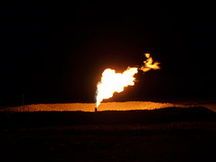 Methane flaring in North Dakota, by Joshua Doubek Methane flaring in North Dakota, by Joshua Doubek Energy is an abundant gift from God. It is up to us to steward that energy in a way that is responsible. We must balance the needs of humanity and the rest of God's creation. We also must ensure the ways we meet energy needs of today do not undermine the needs of future generations. Our energy choices matter now more than ever, and this is a year when government and business face some serious choices about methane, the main component of natural gas. Right now, oil and natural gas industry operations waste and pollute with excess methane by leaking, venting, and flaring it. In the past year, the Environmental Protection Agency (EPA) as well as the Bureau of Land Management (BLM) have taken action to ensure oil and gas industry operations plug methane leaks, and stop the wasteful practice of venting and flaring. The BLM proposed rule is of particular interest to local taxpayers, because oil and gas profits made on BLM public lands contribute to the local common good. (For example, school funding.) In the long run, stopping waste means the profits the companies make and the taxes the communities collect will increase. A moral principle to live by: waste not, want not.  Over time, methane waste and pollution have been a persistent problem for our communities' health, God's creation, and the local economies that miss out on revenue from wasted methane. The EPA rule and the BLM proposed rule are commonsense measures to ensure all oil and gas operations reduce waste in their operations while also cutting pollution that endangers the health of workers and local communities, as well as the climate. Protestant, Catholic, Evangelical, and Jewish communities are all robustly on the record calling for government to act to cut methane waste and pollution, and in their letters and statements, you can read many reasons why we care. For the sake of alleviating childhood asthma, to stopping climate change, to ensuring governments get their fair share of tax revenue from oil and gas operations, it is time to cut methane waste and pollution. Just this week, NASA released a report that further reinforced the importance of these methane waste and pollution reduction standards. The NASA report showed natural gas waste and methane pollution burden oil and gas operations in the San Juan Basin, and the surrounding communities. Oil and gas operations contribute to the dangerous methane cloud hovering over the Four Corners. NASA found over 250 methane pollution sources across the San Juan Basin. The study revealed leaking storage tanks and pipeline leaks associated with the oil and gas industry are a major problem, but only 10 percent of the sources studied were responsible for more than half the methane pollution NASA found in the San Juan Basin. How can we find these few devastating leaks without regulation? Without comprehensive leak detection inspections, we can’t predict when and where these leaks will occur. Only clear standards that apply to all industry operators can make that happen. On the heels of the release of this NASA report, a major player in the public dialogue on energy ethics, the Western Energy Alliance, is convening major oil and gas industry leaders at a national conference. Change is never easy, and it is hard to predict how industry leaders may react to these new EPA standards, the forthcoming BLM standards, and the mounting evidence of the moral imperative to cut methane waste and pollution. On the occasion of oil and gas industry decision-makers' meeting in Vail, Colorado in August 2016, we pray they will share a moral vision for methane stewardship. It is our hope and prayer that industry leaders will see regulations as creating a level playing field that helps everyone better care for the local community's health and wealth. For such a time as this, we need moral, cautious, forward-thinking leadership from the energy industry. And, we need a lot of prayer for our leaders and decision-makers. Please join us in our effort to pray for oil and gas industry decision-makers, including this week as they meet at the Western Energy Alliance gathering. Share your own prayers on social media at #Pray4WEA, share this blog post on Facebook, share this picture with our prayer intentions, or retweet us. ***
Creator God, we thank and praise you for all the gifts of the Earth that help us heat our homes, travel, cook our meals, and more. The Earth and all that is in it belongs to you, God. We are humbled and grateful that you have entrusted us as caretakers of your creation, and have called us to love our neighbors as ourselves, caring for their health and well-being. As oil and gas industry leaders convene in Vail, Colorado, we pray for your blessing on their meeting. We pray for moral decision-making among all who have been charged with the great responsibility of meeting our communities' energy needs. May the words of their mouths and meditations of their hearts center around responsible stewardship of all gifts of the Earth, including methane. God, you have created abundance, and we remember the adage of our ancestors: Waste not, want not. We pray for strong commitment to the health and well-being of workers and communities living near oil and gas operations. We pray for a concern for justice and care for your whole good creation, God, planet and people. Amen. *** |
About this BlogThis blog shares the activities of Creation Justice Ministries. We educate and equip Christians to protect, restore, and rightly share God's creation. Archives
July 2024
Categories
All
|
 RSS Feed
Address
110 Maryland Ave. NE #203
Washington, DC 20002 |
|